
Exploring the vibrant world of Loteria, its cultural impact, and the subtle undercurrent of emotions it evokes, particularly focusing on the theme of 'sadness pg'.
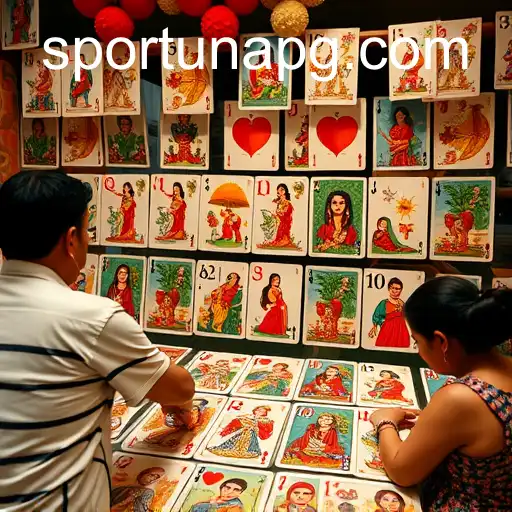
The Cultural and Emotional Landscape of Loteria
Loteria, a traditional Mexican game resembling bingo, is a kaleidoscope of imagery and tradition. Known for its vivid cards and iconic images, Loteria holds a special place in Mexican culture and across the world where Mexican communities thrive. But beyond its colorful façade, there's a deeper, emotional resonance that players experience, particularly when considering the subtle theme of 'sadness pg', a nuanced sentiment that audiences may feel during gameplay.
The Origins and Essence of Loteria
Loteria traces its roots back to the Italian lottery in the 15th century, journeying through Spain before finding a home in Mexico. It was here that the game transformed into the version we're familiar with today, richly illustrated with allegorical images ranging from La Dama (The Lady) to El Sol (The Sun). Each card tells a story or conveys a cultural reference, integral to the Mexican spirit. Its vibrant prints and captivating symbols make it more than just a game. With each card drawn, a tapestry of Mexican cultural heritage is revealed.
The Gameplay: Traditions and Customs
The excitement of Loteria lies in its simplicity and the rich cultural exchanges during play. Players are provided with tablas, each featuring a unique set of illustrations arranged in a grid. As the cantor announces each card, players mark their boards with tokens, traditionally beans or small coins. The atmosphere is often festive, filled with laughter and anticipation; however, there is an emotional depth to the proceedings that sometimes gets overlooked.
Understanding the Emotional Tapestry of Loteria
While Loteria is synonymous with joy and familial bonds, it also introduces an emotional arc that can surface during play, particularly the theme of sadness represented as 'sadness pg'. This concept underscores the poignant nostalgia and collective memories invoked through the imagery. Each card in the deck carries not just visual but emotional weight—reminders of heritage, personal stories, and perhaps even loss.
The 'La Calavera' – A Dance with Mortality
Take La Calavera (The Skull), a card that simultaneously embodies the playful and somber elements of Mexican culture. It reflects the Day of the Dead celebrations, where the living honor the dead. This card sometimes evokes bittersweet memories of loss, yet also celebrates life. The duality of joy and sadness exists vividly within Loteria’s visual language, resonating deeply with the concept of 'sadness pg'.
La Luna – Echoes of Yearning
Another card, La Luna (The Moon), is replete with symbolism, often associated with romance and melancholy. For many, it reflects longing – a wistful desire connected to unfulfilled dreams or absent loved ones. This card creates an emotional landscape that is both strikingly beautiful and laden with a gentle sorrow, further encapsulating the idea of 'sadness pg'.
Loteria as a Cultural Bridge
One cannot overlook Loteria’s role as a cultural ambassador. It is a link that ties communities together, both domestically and internationally. For Mexican communities abroad, Loteria is not merely a nostalgic recreation of childhood or a way to pass time; it is a conduit through which cultural identity is preserved and transmitted across generations. Each playing session is a step back into a rich ancestral past, unfolding memories that sway between joy and an echo of sadness, akin to 'sadness pg'.
The emotion-laden nature of Loteria only reinforces its cultural significance. Each game becomes a narrative event, binding players intimately to their heritage and each other. It highlights the shared emotions of the collective, giving voice to the profound connection between past and present.
Loteria in Contemporary Context
In modern settings, Loteria continues to gain popularity, not just within Mexican communities but across diverse cultures. Its visual appeal and underlying narratives – often paralleled with art forms like tarot – have inspired new generations of artists and designers. Thematic reinterpretations occasionally center on modern social issues or contemporary cultural icons, blending traditional aesthetics with present-day commentary.
Even in these avant-garde versions, the undercurrent of 'sadness pg' remains, allowing players to connect with a piece of human emotion that transcends boundaries. Whether it brings laughter or melancholy, participation in Loteria invokes a shared humanity.
Conclusion: The Timelessness of Loteria
While examining the essence of Loteria, it's apparent how it intertwines joy with a dash of melancholia, the 'sadness pg', reflecting life in its multifaceted form. Each session of Loteria is not just a game, but an exploration of the self within the community, offering a bridge between past traditions and future aspirations. Its ability to evoke emotions makes Loteria a timeless cultural relic, continuing to bind people emotionally and culturally across generations.